



By Isaiah Davis December 29, 2025
The body content of your post goes here. To edit this text, click on it and delete this default text and start typing your own or paste your own from a different source.
By Isaiah Davis December 29, 2025
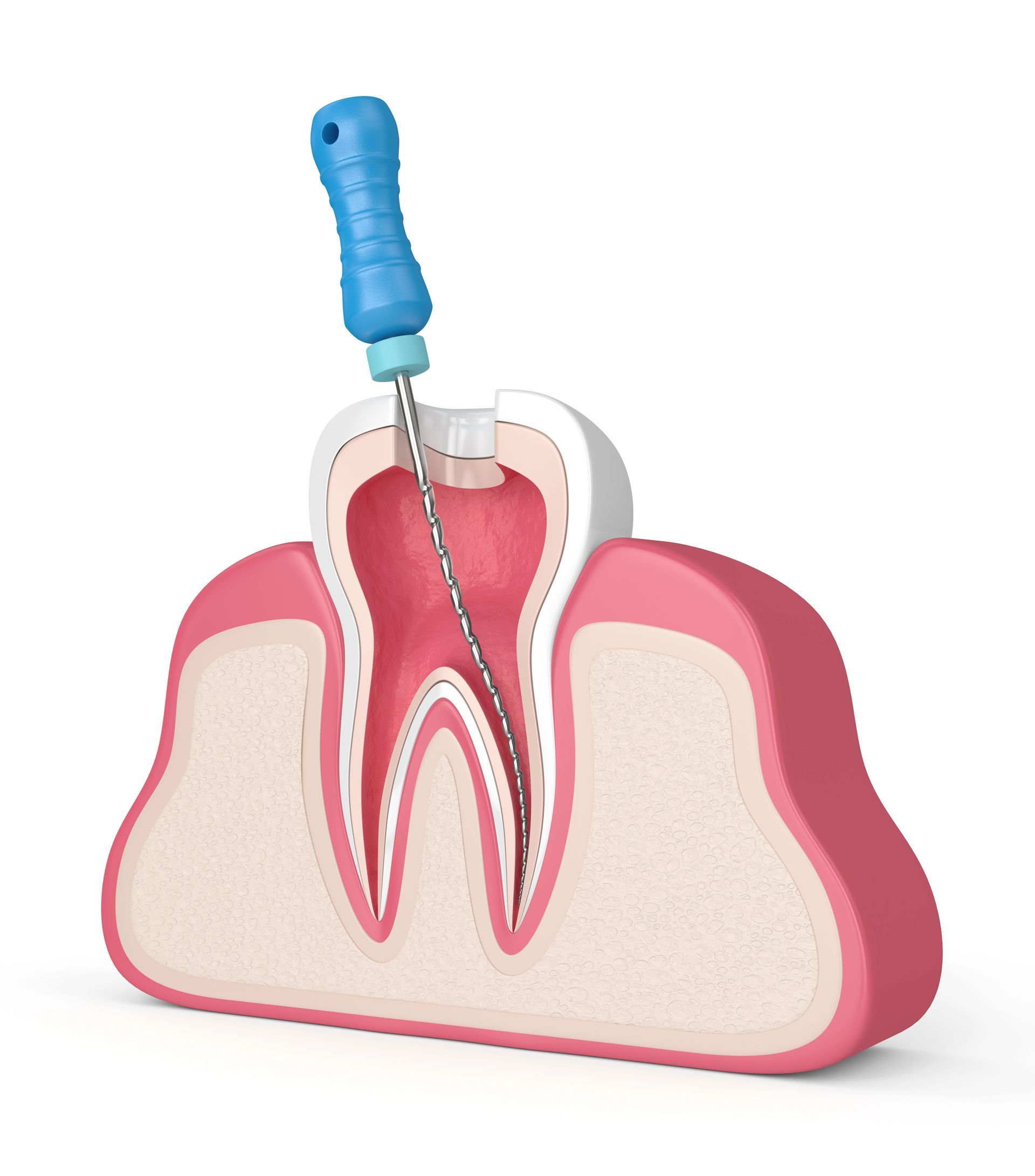
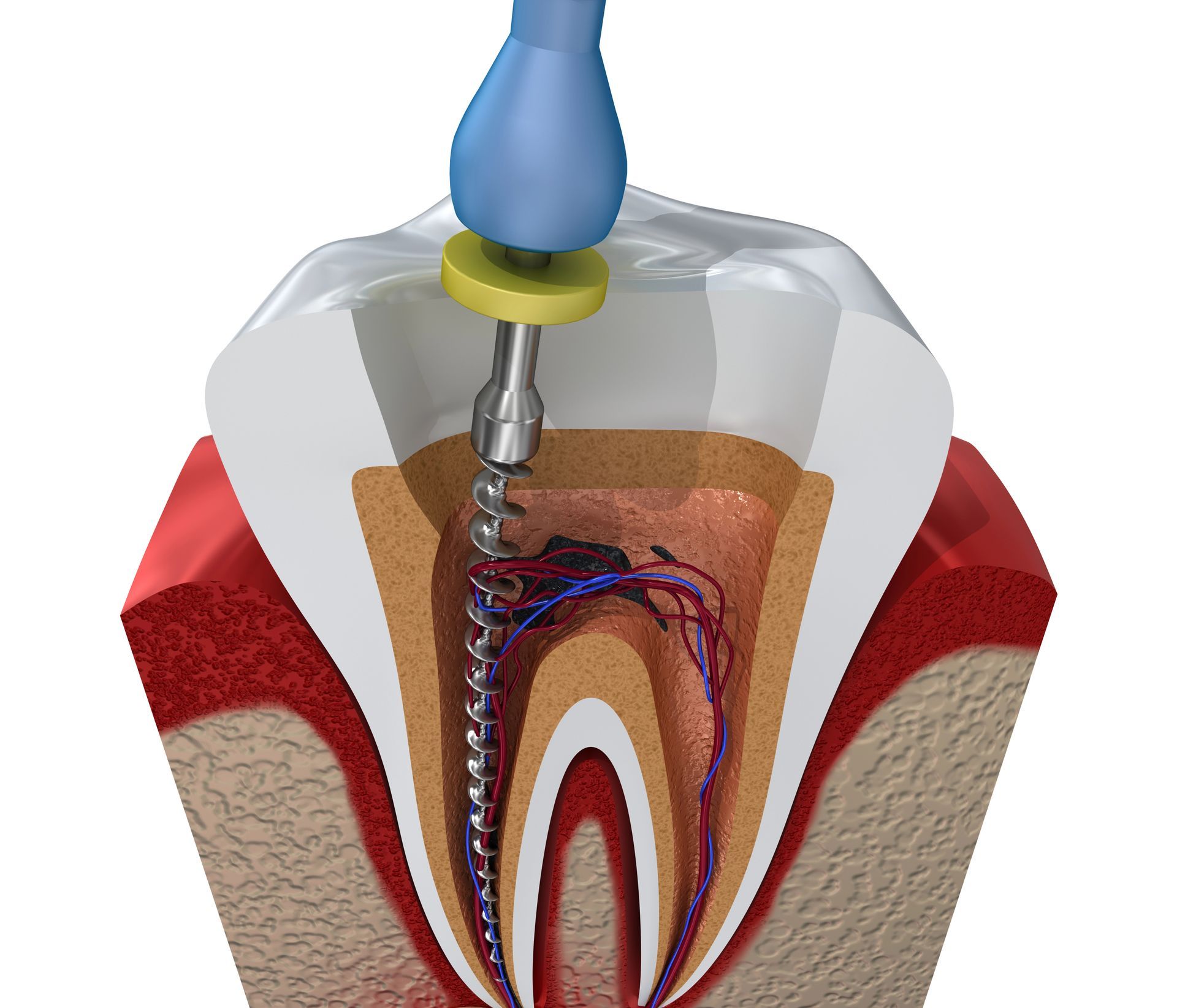
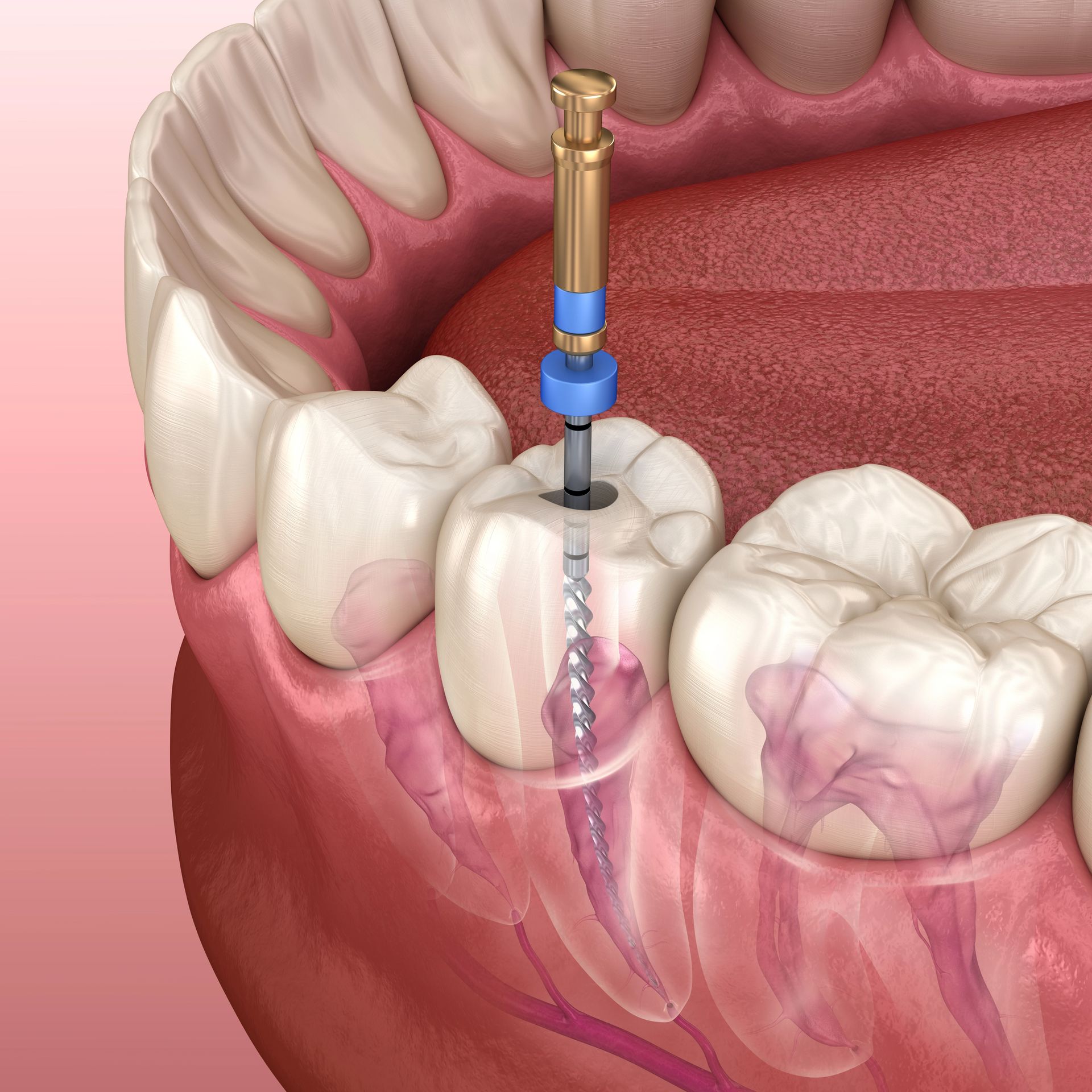
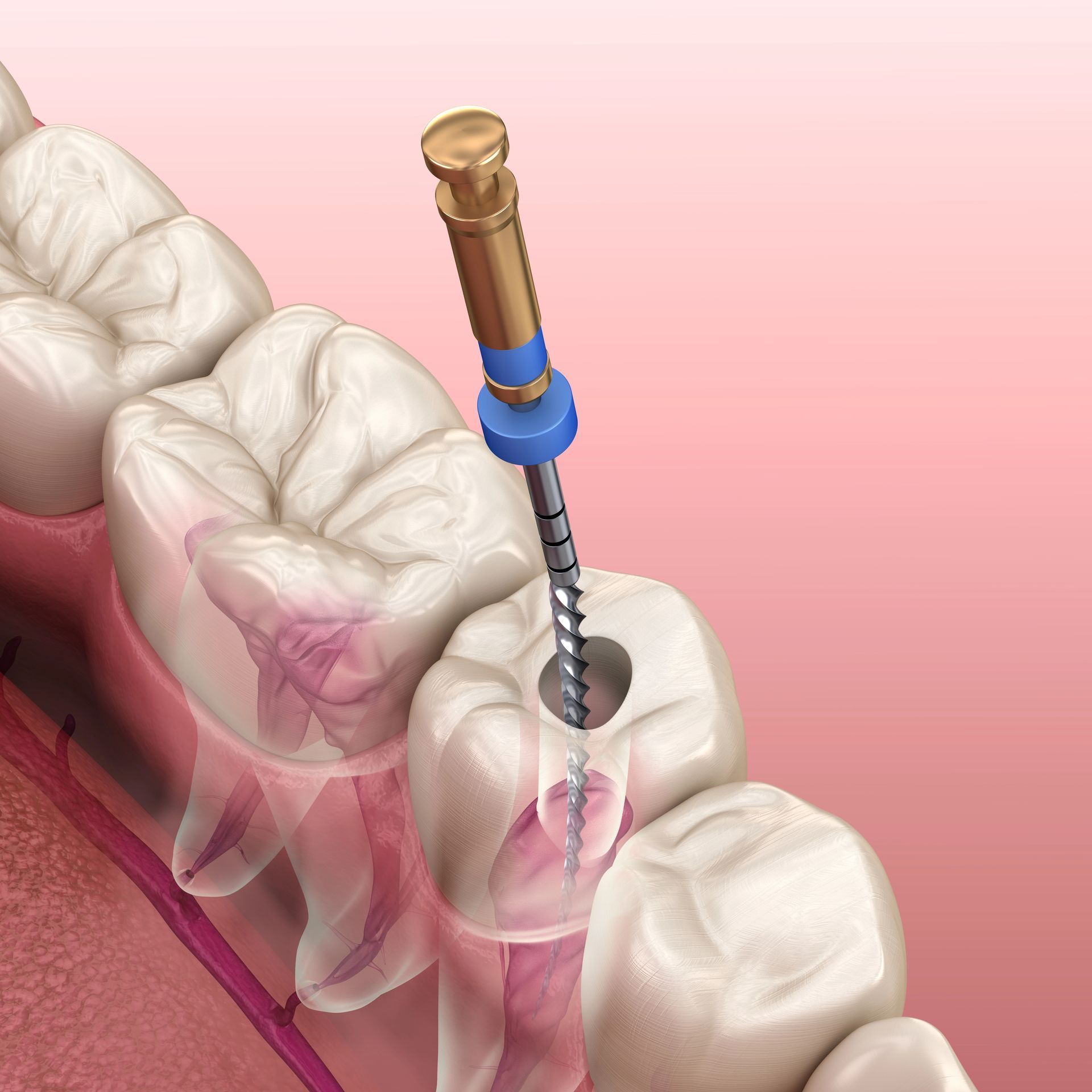
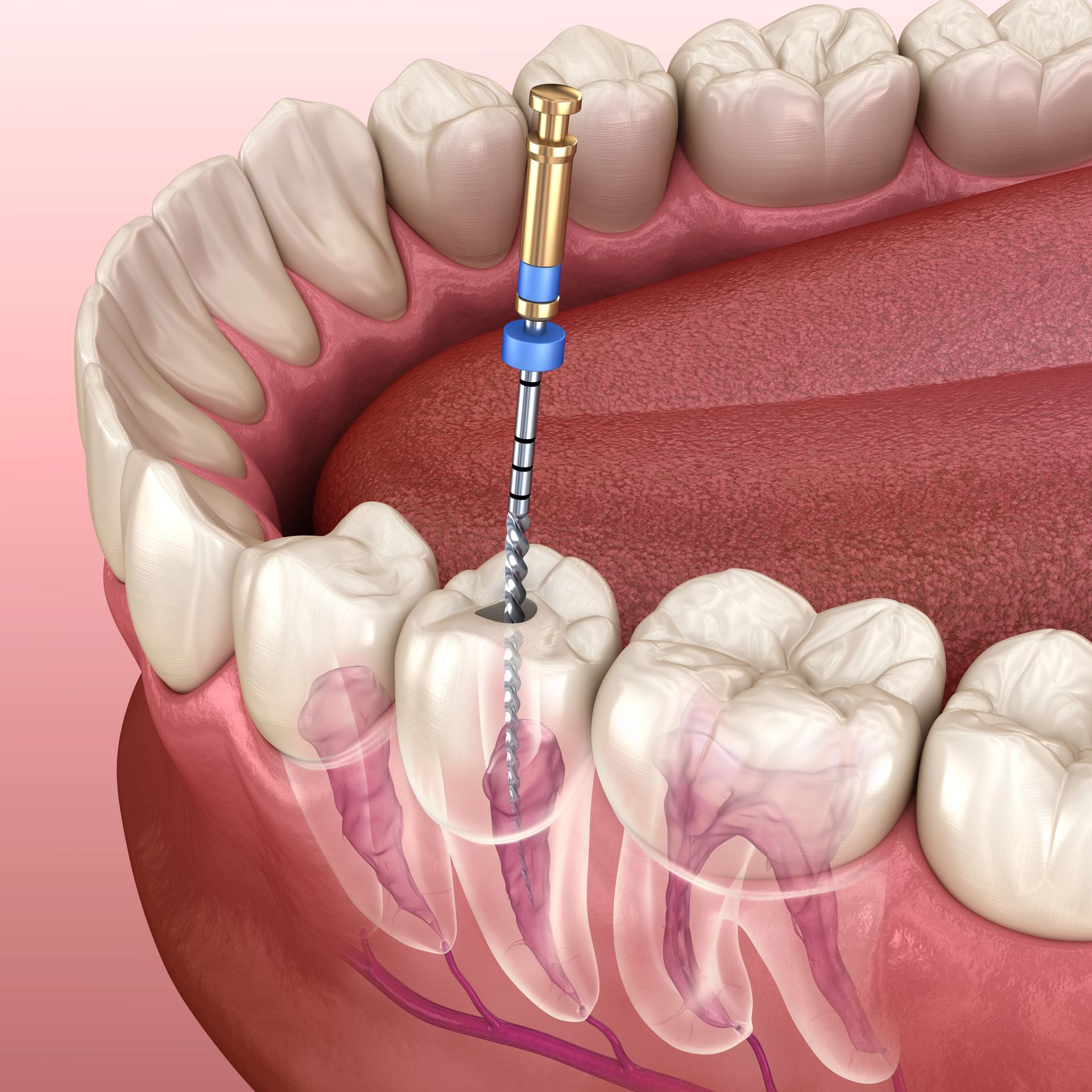
What to Expect During a Root Canal in Columbia SC Experiencing tooth pain can be daunting, and the thought of undergoing a root canal may add to that anxiety. However, understanding the procedure, steps involved, and recovery process can help alleviate concerns. At Design Dentistry Columbia, Dr. Isaiah Davis ensures that every patient receives the highest level of care with an emphasis on comfort meets cosmetic innovation. The Importance of Root Canal Therapy A root canal is often necessary when the pulp inside a tooth becomes infected or inflamed. This condition can arise from deep decay, repeated dental procedures, or trauma to the tooth. If left untreated, it can lead to serious complications, including abscesses and tooth loss. By opting for root canal therapy at Design Dentistry Columbia, patients benefit from advanced implant-driven aesthetics and precision digital smile design, ensuring both health and beauty are prioritized. Procedure Overview Understanding what happens during a root canal can ease apprehension. Here’s a breakdown of the typical steps involved: Initial Consultation: Before any treatment begins, Dr. Isaiah Davis will conduct a thorough examination, which may include X-rays to assess the extent of the damage. Anesthesia Administration: To ensure maximum comfort, local anesthesia is administered to numb the affected area. Accessing the Tooth: A small opening is made in the crown of the tooth to access the pulp chamber and root canals. Cleaning and Shaping: The infected pulp is carefully removed using specialized instruments. The canals are then cleaned, shaped, and disinfected to eliminate bacteria. Filling the Canals: After cleaning, the canals are filled with a biocompatible material called gutta-percha to seal them off and prevent future infection. Restoration: Finally, the tooth is restored with a filling or crown to restore its function and appearance. Dr. Isaiah Davis emphasizes aesthetic outcomes through advanced techniques. Recovery Process Post-procedure recovery is generally straightforward. Patients might experience some discomfort or mild swelling, but this can usually be managed with over-the-counter pain relievers. It's essential to follow these guidelines for a smooth recovery: Take prescribed medications as directed by Dr. Isaiah Davis. Avoid chewing on the treated side until fully healed. Maintain good oral hygiene practices, including gentle brushing and flossing. Attend any follow-up appointments to monitor healing progress. Why Choose Design Dentistry Columbia At Design Dentistry Columbia, patients receive not only exceptional dental care but also a commitment to creating beautiful smiles. With Dr. Isaiah Davis's expertise, each root canal is performed with precision and compassion. The practice prides itself on integrating cutting-edge technology to enhance patient experiences, making sure that comfort meets cosmetic innovation. Your Path to Relief Starts Here If you're dealing with tooth pain or have been advised to undergo a root canal, don't hesitate to reach out. Experience the difference at Design Dentistry Columbia, where Dr. Isaiah Davis combines skill and artistry to provide top-notch dental care. Schedule your consultation today! Contact us at 803-573-4577 or visit our contact page . For directions, check out our location on Google Maps . Explore more about our services, including Root Canal Therapy , and take the first step towards a healthier smile.
By Isaiah Davis December 29, 2025
The body content of your post goes here. To edit this text, click on it and delete this default text and start typing your own or paste your own from a different source.
By Isaiah Davis December 29, 2025
The body content of your post goes here. To edit this text, click on it and delete this default text and start typing your own or paste your own from a different source.
By Isaiah Davis December 29, 2025
The body content of your post goes here. To edit this text, click on it and delete this default text and start typing your own or paste your own from a different source.
By Isaiah Davis December 29, 2025
The body content of your post goes here. To edit this text, click on it and delete this default text and start typing your own or paste your own from a different source.
By Isaiah Davis December 29, 2025
Understanding Root Canal Success Rates and Long-Term Outcomes for Columbia SC Patients When it comes to dental health, few procedures evoke as much concern as root canal therapy. Many patients in Columbia, SC, wonder about the success rates of this treatment and what they can expect in terms of long-term outcomes. Dr. Isaiah Davis, a leading dentist at Design Dentistry Columbia, emphasizes that understanding these factors is crucial for making informed decisions regarding oral health. The Importance of Root Canal Therapy Root canal therapy is designed to save teeth that are severely decayed or infected. The procedure involves removing the damaged pulp from inside the tooth, cleaning and disinfecting the area, and then sealing it to prevent further infection. This not only alleviates pain but also preserves the natural tooth structure, allowing patients to maintain their smile and function effectively. Success Rates of Root Canal Therapy Research indicates that root canal therapy boasts an impressive success rate, often cited between 85% to 97%. Factors influencing these rates include: Quality of Care: Choosing an experienced practitioner like Dr. Isaiah Davis ensures that the procedure is performed with precision and care. Post-Procedure Care: Following aftercare instructions significantly impacts recovery and overall success. Underlying Conditions: Pre-existing dental issues may affect healing and longevity. Dr. Isaiah Davis utilizes advanced techniques and technology, such as precision digital smile design, to enhance the effectiveness of root canal treatments. By combining comfort with cosmetic innovation, patients can expect optimal results. Long-Term Outcomes After Treatment Patients often inquire about the longevity of a tooth treated with a root canal. With proper care, including regular dental check-ups and good oral hygiene practices, a treated tooth can last a lifetime. Studies show that many patients experience no significant complications post-treatment, enjoying restored functionality and aesthetics. Factors Affecting Long-Term Success While the statistics are promising, several factors contribute to the long-term success of root canal therapy: Regular Dental Visits: Routine check-ups help monitor the condition of the treated tooth and surrounding gums. Oral Hygiene Practices: Maintaining excellent oral hygiene reduces the risk of reinfection. Lifestyle Choices: Avoiding tobacco and excessive sugar intake supports better dental health. Dr. Isaiah Davis encourages patients to prioritize their dental health through education and proactive measures. Understanding the importance of follow-up care and lifestyle choices plays a vital role in achieving lasting results. A Final Word on Comfort and Aesthetics At Design Dentistry Columbia, where "comfort meets cosmetic innovation" patients can rest assured that their dental needs are met with the highest standards of care. Advanced implant-driven aesthetics ensure that even after a root canal, smiles remain beautiful and functional. Your Path to a Healthier Smile Starts Here If you're considering root canal therapy or have questions about your dental health, reach out to Dr. Isaiah Davis at Design Dentistry Columbia. Experience firsthand how comfort and cutting-edge techniques come together for exceptional dental care. To learn more about root canal therapy, visit our Root Canal Therapy page . For personalized assistance, contact us at 803-573-4577 or fill out our contact form . You can also find us on the map here .
By Isaiah Davis December 29, 2025
The body content of your post goes here. To edit this text, click on it and delete this default text and start typing your own or paste your own from a different source.
By Isaiah Davis November 28, 2025
The body content of your post goes here. To edit this text, click on it and delete this default text and start typing your own or paste your own from a different source.
By Isaiah Davis November 28, 2025
The body content of your post goes here. To edit this text, click on it and delete this default text and start typing your own or paste your own from a different source.
Show More
Different types of dental fillings
Isaiah Davis • July 23, 2024

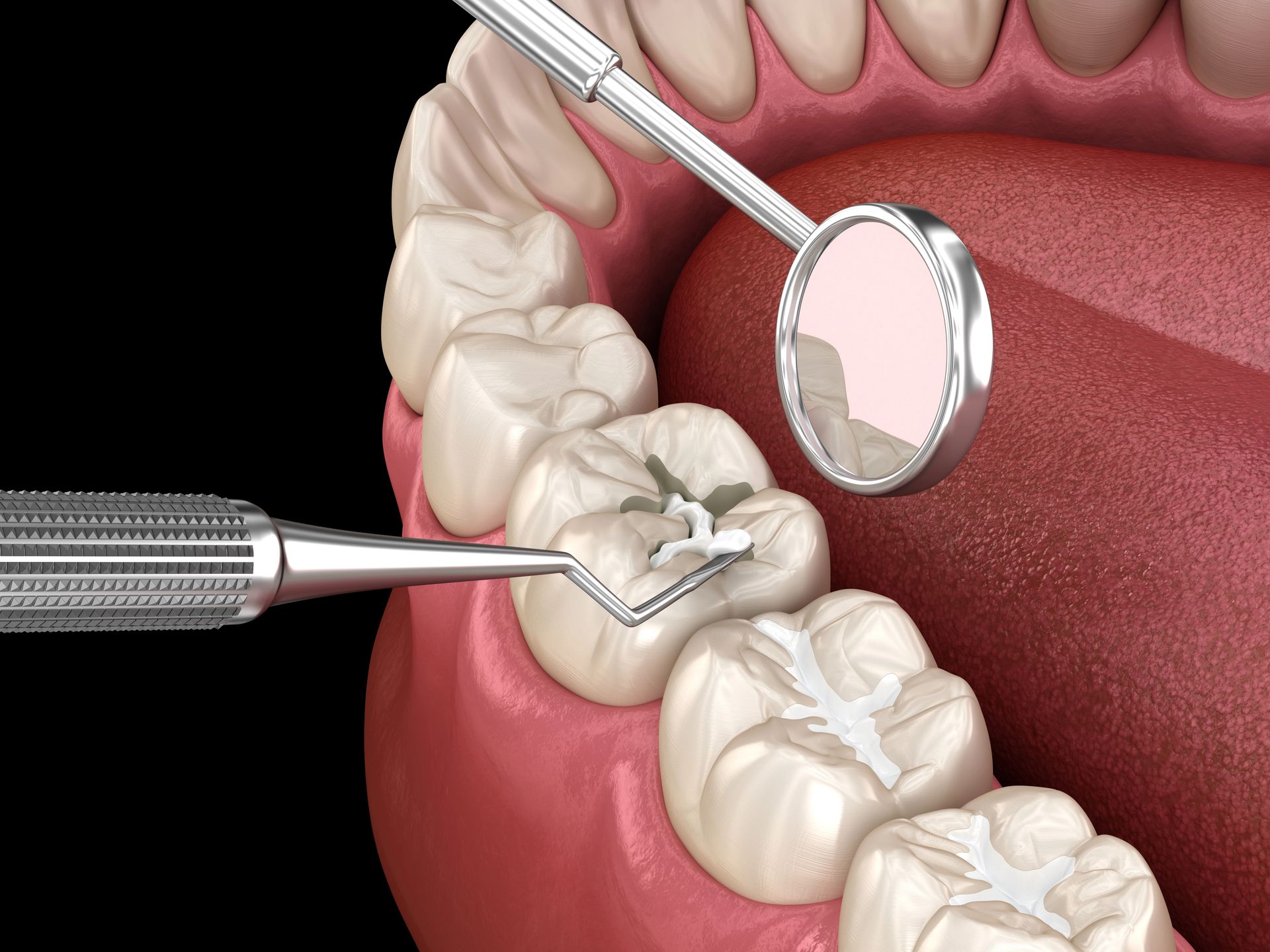
Are you aware of the different types of dental fillings available today? Dental fillings are essential for restoring teeth damaged by decay, with various materials used to suit diverse needs and preferences. Each type offers unique characteristics and is selected based on factors like the location of the cavity and the extent of the repair needed.


Types of Dental Fillings: Amalgam Fillings: Common Uses


Amalgam fillings, often known as silver fillings, are a traditional choice in the realm of dental restorations. Composed of a mixture of metals including silver, mercury, tin, and copper, amalgam has been used for over a century to restore the functionality and integrity of teeth affected by decay and cavities. Its durability and strength make it particularly suitable for fillings in the molars, where the force of chewing is greatest.


Despite the evolution of dental materials over the years, amalgam remains a popular choice among types of dental fillings due to its longevity and cost-effectiveness. It is typically used in situations where the filling needs to withstand significant pressure from the constant stress of chewing, which can wear down other types of fillings more quickly. For more detailed information on this and other filling options, you might want to read about the pros and cons of various tooth fillings.


Composite Fillings: Aesthetic Appeal


Composite fillings, often chosen for their natural appearance, are made from a mixture of plastic and fine glass particles. They are particularly popular because they can be closely matched to the color of existing teeth, making them less noticeable compared to other types of dental fillings. This feature is especially beneficial for fillings in the front teeth or the visible parts of teeth. The aesthetic appeal of composite fillings enhances the overall smile and ensures that the repairs blend seamlessly with the natural dental structure.

While durability and function are critical factors in choosing a dental filling, the visual outcome cannot be overlooked. Composite fillings provide a solution that supports both the health and appearance of teeth. For more detailed information on the types of fillings available, consider visiting Columbia Tooth Filling Specialists.


Gold Fillings: Durability and Strength


When considering the various types of dental fillings, gold fillings stand out due to their durability and strength. Known for their longevity, gold fillings can last for decades without needing replacement, making them a notable option among the different materials used in dental restorations. Their robustness ensures that they withstand the forces of chewing more effectively than some other types of fillings, maintaining their structure over an extended period.


Ceramic Fillings: Natural Appearance


Ceramic fillings are one of the various types of dental fillings that stand out for their aesthetic appeal. These fillings are crafted from porcelain, a material known for its durability and color stability, which helps in maintaining the natural look of teeth. Unlike some other materials that might discolor over time, ceramic fillings blend seamlessly with the tooth structure, making them a popular choice for those who prioritize a natural appearance in their dental treatments. For more information on dental solutions, consider visiting Design Dentistry Columbia, your Columbia Dentist.


Glass Ionomer: Release of Fluoride


Among the various types of dental fillings, glass ionomer fillings are notable for their unique property of releasing fluoride. This characteristic can be particularly interesting when discussing the general composition and benefits of different dental filling materials. Glass ionomer fillings consist of a blend of acrylic acids and fine glass powders that react together to form a bond with the tooth structure. The slow release of fluoride aids in the prevention of further decay by helping to remineralize the tooth's surface in the vicinity of the filling.


Resin Ionomer Fillings: Moderate Use


Resin ionomer fillings represent a specific category within the various types of dental fillings, tailored for moderate use. These fillings are particularly advantageous for areas not subjected to heavy chewing pressure, such as non-biting surfaces and primary teeth in children. Composed of a hybrid of glass filler with acrylic acids and resin, resin ionomer fillings offer good durability and a moderate resistance to fracture. Additionally, they release a small amount of fluoride, which can help in preventing further decay. This type of filling is an excellent choice for patients needing reliable dental restoration with moderate strength requirements.


Temporary Fillings: Short-Term Solutions


Temporary fillings are a crucial component among the various types of dental fillings, designed to serve short-term needs in dental care. Often used in emergency situations or as a part of a larger dental treatment plan, these fillings provide relief and stability until a more permanent solution can be implemented. They are ideal for cases where the tooth needs to settle down before a final filling is placed, such as after a root canal treatment or when deep cleaning and medication are required for an infected tooth. Temporary fillings help prevent further decay and damage by protecting the tooth from exposure to food, pressure, and bacteria, ensuring the tooth's integrity is maintained during the interim period.


Indirect Fillings: Inlays and Onlays


When exploring the different types of dental fillings, it's important to consider indirect fillings, specifically inlays and onlays. Unlike traditional fillings that are molded into place during your dental visit, inlays and onlays are fabricated in a dental lab before being fitted and bonded to the damaged tooth. Inlays are used to fill the space in between the cusps at the center of a tooth's surface, while onlays cover one or more cusps or the entire biting surface of the tooth. These types of dental fillings are known for their durability and are typically made from materials like porcelain, gold, or composite resin, making them a preferred choice for restoring strength and stability to teeth with significant decay or damage.


Silver Diamine Fluoride: Arresting Caries


Silver Diamine Fluoride (SDF) is gaining traction as one of the innovative types of dental fillings, particularly in the realm of pediatric dentistry and for patients seeking minimally invasive options. This compound not only helps in arresting the progression of caries - a common form of tooth decay - but also prevents further demineralization. SDF is a liquid substance that can be directly applied to the affected area, making it a quick and painless treatment option. Its growing popularity underscores its effectiveness, especially in cases where traditional drilling and filling are not feasible.


Conclusion


Exploring the types of dental fillings can help you understand your options. For further inquiries, call us at 803-667-3919 or read our reviews on Google Maps.

By Isaiah Davis December 29, 2025
The body content of your post goes here. To edit this text, click on it and delete this default text and start typing your own or paste your own from a different source.
By Isaiah Davis December 29, 2025
What to Expect During a Root Canal in Columbia SC Experiencing tooth pain can be daunting, and the thought of undergoing a root canal may add to that anxiety. However, understanding the procedure, steps involved, and recovery process can help alleviate concerns. At Design Dentistry Columbia, Dr. Isaiah Davis ensures that every patient receives the highest level of care with an emphasis on comfort meets cosmetic innovation. The Importance of Root Canal Therapy A root canal is often necessary when the pulp inside a tooth becomes infected or inflamed. This condition can arise from deep decay, repeated dental procedures, or trauma to the tooth. If left untreated, it can lead to serious complications, including abscesses and tooth loss. By opting for root canal therapy at Design Dentistry Columbia, patients benefit from advanced implant-driven aesthetics and precision digital smile design, ensuring both health and beauty are prioritized. Procedure Overview Understanding what happens during a root canal can ease apprehension. Here’s a breakdown of the typical steps involved: Initial Consultation: Before any treatment begins, Dr. Isaiah Davis will conduct a thorough examination, which may include X-rays to assess the extent of the damage. Anesthesia Administration: To ensure maximum comfort, local anesthesia is administered to numb the affected area. Accessing the Tooth: A small opening is made in the crown of the tooth to access the pulp chamber and root canals. Cleaning and Shaping: The infected pulp is carefully removed using specialized instruments. The canals are then cleaned, shaped, and disinfected to eliminate bacteria. Filling the Canals: After cleaning, the canals are filled with a biocompatible material called gutta-percha to seal them off and prevent future infection. Restoration: Finally, the tooth is restored with a filling or crown to restore its function and appearance. Dr. Isaiah Davis emphasizes aesthetic outcomes through advanced techniques. Recovery Process Post-procedure recovery is generally straightforward. Patients might experience some discomfort or mild swelling, but this can usually be managed with over-the-counter pain relievers. It's essential to follow these guidelines for a smooth recovery: Take prescribed medications as directed by Dr. Isaiah Davis. Avoid chewing on the treated side until fully healed. Maintain good oral hygiene practices, including gentle brushing and flossing. Attend any follow-up appointments to monitor healing progress. Why Choose Design Dentistry Columbia At Design Dentistry Columbia, patients receive not only exceptional dental care but also a commitment to creating beautiful smiles. With Dr. Isaiah Davis's expertise, each root canal is performed with precision and compassion. The practice prides itself on integrating cutting-edge technology to enhance patient experiences, making sure that comfort meets cosmetic innovation. Your Path to Relief Starts Here If you're dealing with tooth pain or have been advised to undergo a root canal, don't hesitate to reach out. Experience the difference at Design Dentistry Columbia, where Dr. Isaiah Davis combines skill and artistry to provide top-notch dental care. Schedule your consultation today! Contact us at 803-573-4577 or visit our contact page . For directions, check out our location on Google Maps . Explore more about our services, including Root Canal Therapy , and take the first step towards a healthier smile.